
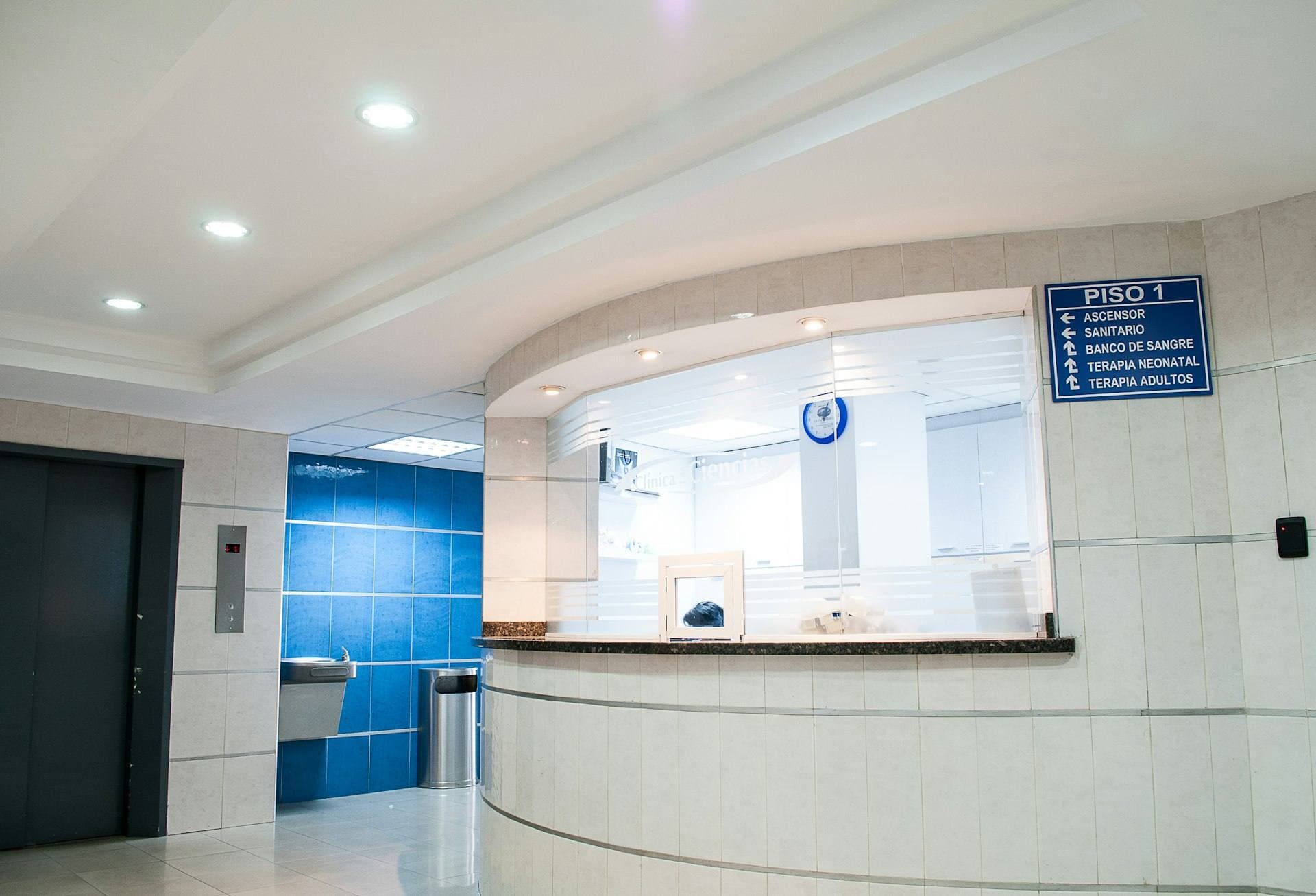
Patient care depends on data you can trust.
Healthcare organizations hold the most sensitive data in any industry, and face the highest breach costs. STS delivers HIPAA compliance programs, security operations, and incident response designed for the unique pressures of healthcare: 24/7 uptime requirements, legacy systems, connected medical devices, and regulatory scrutiny that only intensifies after a breach.
The reality facing healthcare.
Healthcare data breaches cost an average of $10.93 million per incident, the highest of any sector for 13 consecutive years. The combination of high-value PHI, life-safety systems that can't go offline for patching, connected medical devices with known vulnerabilities, and a workforce focused on patient care rather than cybersecurity creates an attack surface that adversaries exploit relentlessly. Ransomware against hospitals isn't just a financial crime, it's a patient safety crisis.
What keeps healthcare leaders up at night.
HIPAA Compliance Complexity
The Security Rule, Privacy Rule, and Breach Notification Rule create a compliance framework that touches every department, every system, and every employee. Most organizations think they're compliant until an OCR investigation reveals the gaps.
Ransomware & Patient Safety
When hospital systems go down, patients are diverted to other facilities. Surgeries are cancelled. Lab results are unavailable. Ransomware in healthcare isn't just a data problem, it's a life-safety emergency that demands pre-planned response.
Medical Device Vulnerabilities
Connected medical devices, infusion pumps, imaging systems, monitors, often run outdated operating systems with known vulnerabilities that can't be patched without FDA-cleared updates. They sit on the same networks as patient records.
Third-Party & Vendor Risk
EHR systems, billing platforms, telehealth providers, medical device manufacturers, healthcare's vendor ecosystem is vast and every connection is a potential attack vector. The Change Healthcare breach proved that one vendor failure can cascade across the industry.
Workforce Security Gaps
Clinicians are trained to save lives, not to spot phishing. The click rate on simulated phishing in healthcare consistently exceeds 30%. Every credential compromised is a pathway to PHI.
We understand that in healthcare, security can never compromise patient care. Our approach works within clinical workflows, respects uptime requirements, and treats medical device security as the life-safety issue it actually is, not just an IT problem.
Solutions built for healthcare.
HIPAA Compliance Programs
End-to-end HIPAA compliance: Security Rule risk assessments, gap analysis, policy development, workforce training, and ongoing monitoring. We build programs that satisfy OCR audits because the evidence is organized before the auditor arrives.
Healthcare Security Operations
24/7 monitoring tuned for healthcare environments, understanding that an alert on a medical device network has different urgency than a workstation alert. Our analysts know the difference between a nurse accessing records at 2 AM and an unauthorized access attempt.
Medical Device Security
Inventory, risk assessment, network segmentation, and monitoring strategies for connected medical devices. We work within FDA guidance and device manufacturer constraints to reduce risk without disrupting clinical operations.
Incident Response for Healthcare
Healthcare-specific IR plans that account for patient safety, HHS breach notification timelines (60 days), media management, patient communication, and clinical operations continuity. Tested with tabletop exercises that simulate real healthcare scenarios.
Vendor Risk Management
Assess, score, and continuously monitor your vendor ecosystem for cybersecurity risk. BAA review, security questionnaire management, and ongoing vendor security posture monitoring, because your security is only as strong as your weakest vendor.
Security Awareness for Clinical Staff
Training designed for healthcare professionals, short, scenario-based, clinically relevant. Simulated phishing that mimics the attacks healthcare actually faces: fake patient portal alerts, fraudulent prescription notifications, compromised vendor communications.
Framework-mapped. Audit-ready.
“A multi-location healthcare provider achieved HIPAA compliance across all facilities within 6 months, reducing their risk assessment findings by 78% and passing their first OCR audit with zero material findings.”